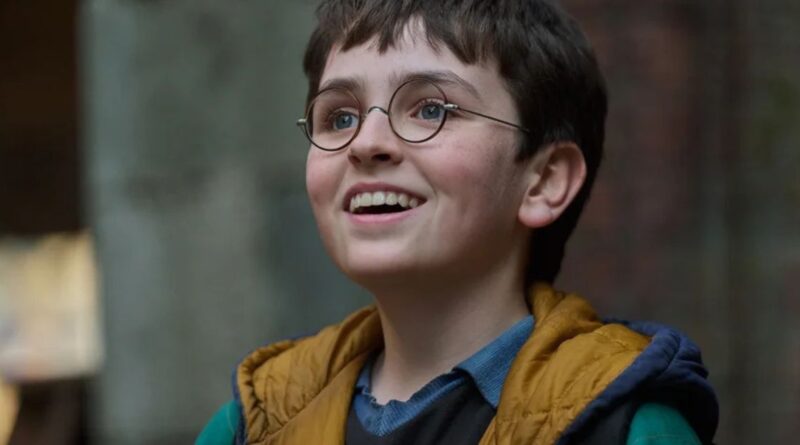
Harry Potter HBO Series Lands Early Season 2 Renewal: A New Era for the Wizarding World
Warner Bros. Discovery Signals Massive Confidence in the Seven-Book Television Adaptation Before Season 1 Premiere
The Harry Potter HBO series has officially solidified its position as one of the most ambitious undertakings in modern streaming history. Even before the cameras have finished rolling on the debut season, the production—closely based on the seminal works of J.K. Rowling—has received an unprecedented early renewal for its second year. This preemptive move by HBO and Max executives underscores a profound level of confidence in the enduring power of the Wizarding World franchise.
This decision indicates that the platform intends to transform the new adaptation into a long-term cornerstone of its content library. By committing to multiple seasons early on, the studio is signaling a shift toward a more methodical and immersive storytelling approach, aiming to explore the intricate lore of the books with a level of depth that was physically impossible within the constraints of the original feature films.
Behind the Strategy: Why HBO Renewed the Magic So Early
The early renewal for the adaptation of Harry Potter and the Sorcerer’s Stone (known as the Philosopher’s Stone internationally) was no administrative accident. From the project’s inception, HBO made it clear that the ultimate goal was a faithful, book-for-book adaptation over the course of a decade.
Behind the scenes, the series is treated as a “too big to fail” enterprise. According to recent 2026 industry reports from Alinea Analytics, the Harry Potter IP remains a global juggernaut, consistently driving revenue across gaming (following the massive success of Hogwarts Legacy), theme parks, and merchandise. For HBO, securing a second season now allows for “back-to-back” production schedules, which is vital for maintaining the age consistency of the child actors—a challenge that famously pressured the original film series.
Furthermore, the sustained success of nostalgic franchises on streaming platforms has proven that audiences are hungry for “slow-burn” narratives. When a beloved story is given room to breathe in a 10-episode format rather than a 2-hour movie, the engagement metrics tend to skyrocket.
The Television Advantage: What Changes in the New Adaptation?
The most significant shift from film to television is the luxury of time. While the movies were forced to condense hundreds of pages into a few hours, the HBO series has the space to develop subplots and minor characters that were previously sidelined.
Deep-Dive Character Arcs
Fans can expect much more screen time for characters like Neville Longbottom, the Marauders, and even house-elves like Winky (who was entirely absent from the films). The political nuances of the Ministry of Magic and the socioeconomic divides within the wizarding community—central themes in the books—will finally receive the focus they deserve.
A More Faithful Aesthetic
HBO has promised a tone that aligns more strictly with the literary source material. This includes a more accurate depiction of Hogwarts’ layout and the specific, often quirky, details of magical life that J.K. Rowling described. At G3GEEK, we anticipate that this “purist” approach will be the series’ greatest selling point for the core fanbase.
Season 2 Focus: Adapting ‘The Chamber of Secrets‘
According to confirmed production leaks, the second season will focus entirely on Harry Potter and the Chamber of Secrets. By sticking to a “one book per season” structure, the showrunners can mirror the natural aging process of the cast, ensuring that the audience grows alongside Harry, Ron, and Hermione.
This advanced planning also helps mitigate the “streaming gap”—the two-year wait between seasons that has plagued shows like House of the Dragon or Stranger Things. By greenlighting Season 2 now, HBO ensures that writing and pre-visualization can happen concurrently with the Season 1 post-production phase.
A Multi-Million Dollar Production with Cinematic Ambition
This is not just another TV show; it is a “prestige” production on the scale of Game of Thrones. The investment involves:
Next-Gen Visual Effects: Utilizing 2026’s latest AI-assisted rendering and practical animatronics.
Total Hogwarts Reconstruction: New, massive physical sets designed for long-term use over the next decade.
Spatial Audio Design: A completely new score and soundscape designed for home theater immersion.
The high budget demonstrates that HBO intends to keep Harry Potter as a global pillar for at least the next ten years, positioning it as the ultimate “must-watch” event for every household.

What Fans Expect Most from the HBO Series:
Unrivaled Book Fidelity: Scenes that were never filmed before (e.g., Peeves the Poltergeist).
Nuanced Protagonists: A Harry Potter who displays the internal wit and temper found in the books.
Exploration of Lore: More history on the four Founders of Hogwarts.
Modern Visual Magic: Spell-casting that feels dangerous and high-stakes.
Slower Pacing: Allowing the “mystery” elements of the books to unfold naturally.
The Role of J.K. Rowling and the Creative Debate
J.K. Rowling’s involvement as an executive producer remains a focal point of discussion. For many, her presence is a guarantee of quality control and narrative consistency. Having the original creator in the room ensures that the “soul” of the story isn’t lost in translation.
However, the production also navigates a complex cultural landscape. Despite ongoing public debates surrounding the author, HBO’s strategy remains focused on the universal appeal of the story itself. The cultural footprint of Harry Potter is simply too large to ignore, bridging the gap between the “Millennial” parents who grew up with the books and the “Gen Alpha” children discovering them today.
The Future of the ‘Harry Potter’ Streaming Universe
The early renewal for Season 2 is likely just the beginning. Experts suggest that if the series hits its performance targets, we could see a “Wizarding World Expanded Universe” (WWEU) on Max.
Spin-offs: Potential series focusing on the First Wizarding War or the Founders of Hogwarts.
Interactive Content: Tie-ins with future gaming titles and immersive VR experiences.
The objective is clear: transform Harry Potter into a continuous, year-round presence on the platform, much like the Star Wars or Marvel ecosystems.
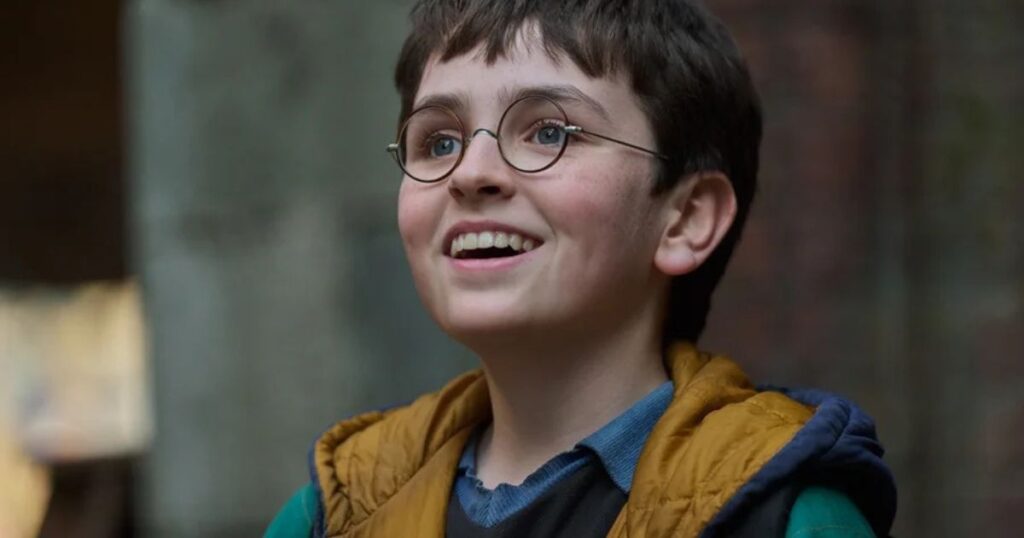
The early renewal of the Harry Potter HBO series is a bold statement of intent. HBO is betting everything on the idea that the world isn’t tired of Hogwarts; it’s just tired of condensed versions of it. By blending nostalgia with 2026’s peak television production values, this adaptation has the potential to become the definitive version of the story for a new generation.
If the show can successfully balance its respect for the source material with the innovation required for modern TV, it won’t just be a hit—it will be the biggest cultural event of the decade.