Will the Galaxy S27 Lose Its Display Edge? Samsung Weighs Controversial Screen Shift
Samsung Evaluates Strategic Move to Use Third-Party OLED Panels in Next-Gen Flagships
The Galaxy S27 could enter the market at the center of one of the most polarizing shifts in the history of Samsung’s premium lineup. Recent industry reports suggest that the South Korean tech giant is seriously considering the use of OLED displays manufactured by the Chinese firm BOE for the base model of its upcoming generation.
This move is primarily viewed as a cost-cutting measure to offset the rising prices of internal components. However, it raises significant concerns regarding one of the core identities of the Galaxy brand: display excellence. Traditionally, Galaxy S flagships have utilized panels exclusively from Samsung Display, which are widely regarded as the gold standard for mobile screens. If Samsung follows through, it could signal a major pivot in how the company balances profit margins with its premium “S” series reputation.
Samsung Explores New Suppliers for the Galaxy S27
According to recent supply chain intelligence, Samsung is currently auditing BOE’s latest OLED production lines to determine if they meet the rigorous requirements for the standard Galaxy S27. For over a decade, the Galaxy S series has distinguished itself by using in-house panels from Samsung Display, renowned globally for peak brightness, high contrast ratios, color accuracy, and superior energy efficiency.
Should this transition occur, the base Galaxy S27 would become the first modern flagship from the brand to partially abandon the exclusivity of internally manufactured displays. This would mark a departure from the “vertical integration” strategy that has allowed Samsung to dominate mobile display rankings for years.
The Economic Logic: Why Make the Switch?
The primary driver behind this potential shift is economic necessity. The consumer electronics market is currently grappling with skyrocketing costs for high-speed memory (RAM), advanced storage (UFS 4.0/5.0), and next-generation chipsets like the Snapdragon 8 Gen 5. These components are squeezing the profit margins of premium smartphones.
By introducing displays supplied by BOE, Samsung could significantly reduce production costs for the entry-level flagship. This strategy would allow the company to:
Maintain Competitive Pricing: Keeping the S27 at a familiar price point despite rising inflation in parts.
Resource Allocation: Funneling the saved budget into areas more visible to the average consumer, such as AI processing power or camera hardware.
Supply Chain Resiliency: Reducing dependence on a single internal source, a tactic often used to negotiate better internal rates.
Reasons Why Samsung is Considering BOE:
- Manufacturing Cost Reduction: Third-party panels are often priced more aggressively.
- Component Inflation: Offsetting the high cost of the latest Qualcomm chips and memory modules.
- Supply Chain Flexibility: Diversifying suppliers to avoid production bottlenecks.
- Market Competitiveness: Staying viable against high-value Chinese competitors.
- Premium Market Pressure: Balancing luxury features with sustainable business margins.
The Galaxy S27 Ultra: Remaining the Premium Exception
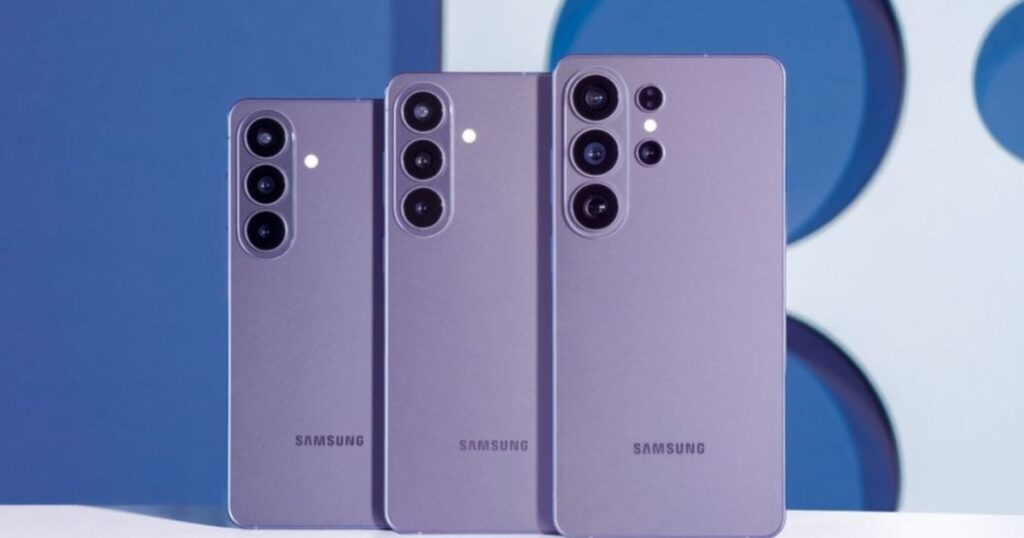
Current reports indicate that this potential supplier shift would strictly affect the base Galaxy S27 model (and potentially the S27+). The flagship “Ultra” model is expected to continue utilizing the absolute highest-tier panels from Samsung Display, preserving its status as the pinnacle of mobile technology.
This creates an even wider gap between the standard and Ultra models. By reserving proprietary M-series OLED materials for the Ultra, Samsung reinforces a tiered strategy that encourages power users to upgrade to the more expensive variant to ensure they receive the best display technology available.
BOE’s Persistent Push into the Galaxy Ecosystem
While this news has surprised many, BOE has been attempting to penetrate Samsung’s premium supply chain for years. Until now, the Chinese display giant has struggled to pass Samsung’s stringent quality control tests for its flagship “S” and “Z” lines.
Samsung already utilizes third-party panels for its mid-range Galaxy A and M series, which proves the company is not fundamentally opposed to outsourcing. However, moving a third-party supplier into the “S” series represents a significant leap in trust and a testament to how far BOE’s technology has evolved in recent years.
The Primary Concern: Consistent Screen Quality
The most significant risk identified by display experts involves quality consistency. Samsung Display panels are treated as the industry benchmark; if Samsung utilizes multiple suppliers for the same model, it could lead to a “panel lottery.”
In this scenario, two consumers buying the same Galaxy S27 could end up with slightly different experiences. Potential discrepancies include:
Color Calibration: Differences in how “natural” or “vivid” colors appear.
Power Consumption: Inconsistencies in how the display drains the battery at high brightness.
Longevity: Potential variations in how quickly the screen develops “burn-in” or color shifts over time.
Possible Negative Outcomes of the Switch:
- Quality Variance: Inconsistency between different units of the same model.
- Lower Peak Brightness: Third-party panels may not hit the same “Nit” levels as in-house tech.
- Inconsistent Calibration: Difficulty in maintaining uniform color profiles across the lineup.
- Contrast Levels: Potential for slightly shallower blacks compared to top-tier AMOLED.
- Diluted Brand Image: Loss of the “Best Display” prestige for the base model.
Strategic Implications: Market Dominance at Risk?
Beyond the consumer experience, there is a broader strategic concern. Samsung Display currently holds immense leverage in the global market, even supplying components to its biggest rivals, including Apple.
By opening the door to BOE in its own flagship devices, Samsung might inadvertently weaken its own display division’s negotiating power. The exclusivity of the Galaxy S series has long served as a live showroom for Samsung Display’s best work. Diversifying the supply chain might save money in the short term but could dilute the brand’s position as the undisputed leader in OLED innovation.
Current Status: Rumors Require Caution
Despite the widespread reporting, Samsung has not officially confirmed any partnership with BOE for the S27 series. Flagship smartphone projects undergo constant revisions during the development cycle, which typically lasts 12 to 18 months.
Industry analysts suggest that Samsung may use the threat of switching to BOE as a negotiation tactic to lower prices from its own display division. Until the final hardware specifications are locked in late 2026, the strategy remains subject to change.
The potential integration of BOE screens into the base Galaxy S27 model represents one of Samsung’s most controversial strategic pivots in years. While the decision could successfully stabilize prices and protect profit margins, it risks alienating enthusiasts who view the Galaxy S series as the ultimate display experience. As development continues, the tech community will be watching closely to see if Samsung prioritizes the “Bottom Line” or its “Display Legacy.” For now, these reports serve as a reminder that even the most established flagship lines are not immune to the pressures of a shifting global economy.
Would you still buy a base Galaxy S27 knowing it might not feature a screen produced by Samsung Display, or would you upgrade to the Ultra to ensure you get the proprietary tech?