Star Fox for Switch 2: The Return of a Legendary Nintendo Franchise
Nintendo Revives the Classic Space Combat Series in a Groundbreaking Rumored Announcement
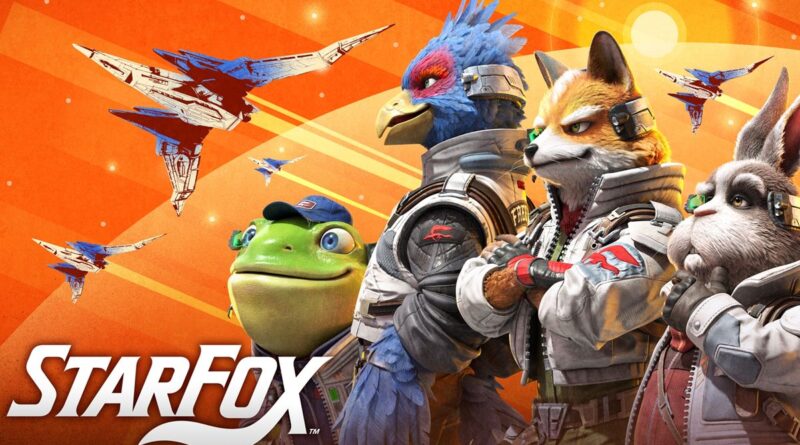
The phrase “Star Fox Switch 2” has rapidly become one of the most searched terms among Nintendo enthusiasts following a wave of recent leaks and industry insider reports. Rumors suggest that a brand-new entry in the storied franchise is currently in development for Nintendo’s highly anticipated next-generation console. This potential return of the space-faring mercenary, Fox McCloud, represents one of the Japanese giant’s most significant nostalgic bets for the coming years.
After a prolonged hiatus since the release of Star Fox Zero and the experimental Star Fox 2 on the SNES Classic, the possibility of seeing the Arwing in action again has reignited the fire within the gaming community. This excitement is particularly strong among veterans who have followed the series since its groundbreaking debut on the Super Nintendo and its cinematic peak on the Nintendo 64. As Nintendo prepares to transition to a more powerful hardware architecture, Star Fox stands as the perfect candidate to showcase what the new machine can truly do.
Why Star Fox Remains a Pillar for Nintendo
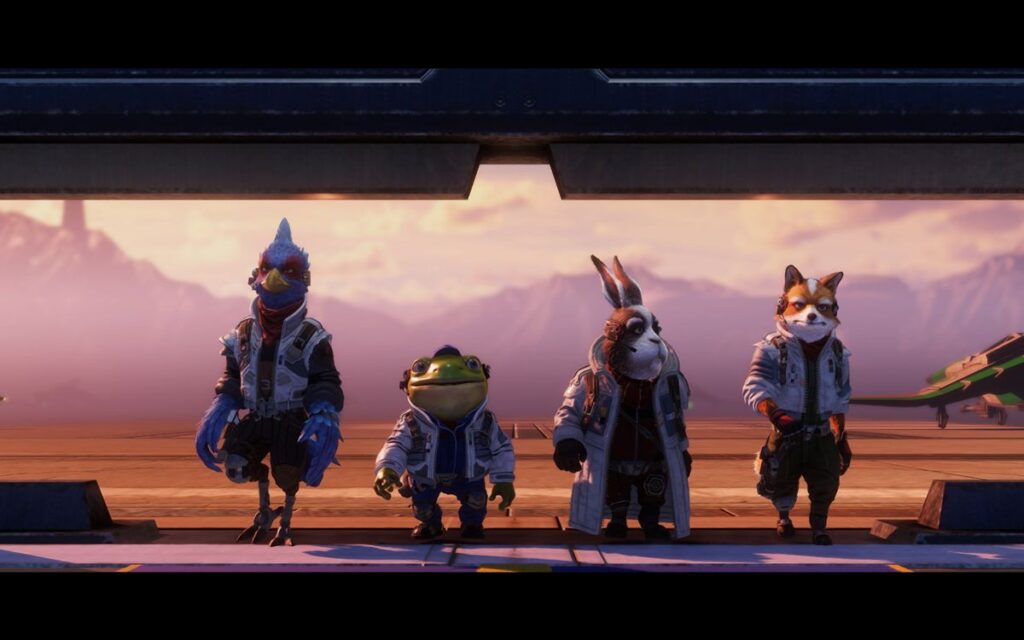
The Star Fox franchise has always occupied a prestigious, if somewhat sporadic, space within Nintendo’s history. Since its inception in the early 1990s, the series has been defined by its blend of high-octane space combat, a charismatic cast of anthropomorphic pilots, and a commitment to pushing technical boundaries.
The original 1993 title was a technological marvel, utilizing the Super FX chip to render 3D polygons on the 16-bit Super Nintendo—a feat that was considered impossible at the time. Later, Star Fox 64 (known as Lylat Wars in some regions) solidified the franchise’s legacy by introducing seamless voice acting, multiple branching paths, and the Rumble Pak, which added a new layer of tactile immersion to gaming.
Despite not having a “mainline” release every year, the series remains culturally relevant. Fox McCloud and his team are staples in the Super Smash Bros. series, ensuring that even younger generations recognize the characters. However, fans have long clamored for a dedicated adventure that captures the “arcade feel” while meeting modern graphical standards.
Breaking Down the Switch 2 Rumors: What We Know So Far
Current industry leaks suggest that Nintendo is looking to create a “reimagined” Star Fox experience designed to leverage the increased processing power of the Nintendo Switch 2. The goal is reportedly to modernize the franchise’s gameplay loop without sacrificing the rail-shooter precision that made it famous.
According to prominent leakers in the Nintendo community, the new project—potentially titled Star Fox: Armada or simply Star Fox—could include the following features:
Semi-Open World Exploration: Moving away from strictly linear “corridor” levels to allow players to explore planetary orbits.
Large-Scale Space Battles: Utilizing the Switch 2’s rumored RAM increase to feature hundreds of active ships on screen at once.
Cinematic Visuals: A shift toward a more realistic, “Star Wars-esque” art style while maintaining the charm of the characters.
Integrated Online Co-op: Allowing friends to take control of Falco, Slippy, or Peppy in real-time missions.
Deep Narrative Focus: Exploring the origins of the Lylat System and the rivalry between the Star Fox and Star Wolf teams.
Many believe this project serves as a technical showcase. Historically, Nintendo uses Star Fox to demonstrate hardware innovations—whether it was 3D graphics on the SNES or the dual-screen integration on the Wii U. On the Switch 2, the series could be the poster child for DLSS (Deep Learning Super Sampling) and Ray Tracing capabilities.
How the Switch 2 Hardware Could Transform the Series
The upcoming Nintendo console is surrounded by immense expectations regarding its graphical fidelity and processing speed. If the rumors hold true, Star Fox could finally receive the evolution it has lacked for nearly two decades.
Speed and immersion are the lifeblood of this franchise. With more potent hardware, Nintendo can eliminate the limitations that hampered Star Fox Zero. Imagine dogfights where every laser blast illuminates the cockpit, where asteroid fields are procedurally generated and destructible, and where transitions from space to planet atmosphere are seamless, much like in No Man’s Sky but with the polished, tight combat of a Nintendo title.
Furthermore, a more powerful console allows for Advanced AI. Instead of enemy ships following a pre-set path, they could react dynamically to the player’s maneuvers, making every playthrough of a level feel unique. This would significantly increase the replayability, which has always been a core tenet of the series.
The Strategy of Nostalgia: Meeting the Modern Market
In recent years, Nintendo has mastered the art of the “Legacy Revival.” From the massive success of Metroid Dread to the constant stream of Zelda remakes, the company knows that its classic IPs are its greatest asset. The return of Fox McCloud fits perfectly into this broader business strategy.
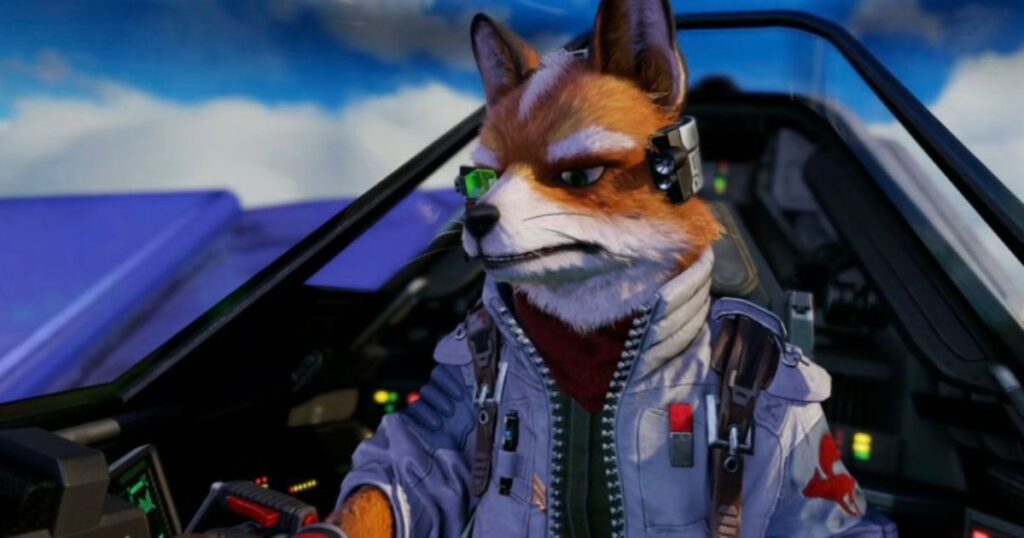
By reviving Star Fox, Nintendo targets two demographics simultaneously:
The Veterans: Players in their 30s and 40s who grew up with the N64 and want a premium, high-fidelity return to the Lylat System.
The New Generation: Younger players who know Fox from Smash Bros. but have never played a dedicated flight combat game.
This approach minimizes market risk because the brand recognition is already global. With the right marketing, a new Star Fox could easily become a multi-million seller, rivaling the numbers of franchises like Kirby or Fire Emblem.
The Challenge: Modernizing an Arcade Classic
Despite the excitement, Nintendo faces a significant creative hurdle: how do you adapt a 15-minute arcade experience for a market that expects 100-hour open-world epics?
The modern gamer values depth and progression. A simple rail-shooter might be perceived as “too short” by today’s standards. To counter this, Nintendo may need to implement:
RPG Elements: Customizing the Arwing with different wings, engines, and weapon systems.
Base Management: Upgrading the Great Fox (the team’s mother ship) between missions.
Meaningful Choices: Missions that change the political landscape of the Lylat System based on your success or failure.
The key will be finding the balance between these new features and the “pick-up-and-play” accessibility that defines Star Fox. If they change too much, they lose the identity; if they change too little, the game feels like a relic of the past.
What Fans Want Most in a New Star Fox:
Classic Space Combat: Polished, responsive flight controls.
Cutting-Edge Graphics: A true “next-gen” leap in visual quality.
Expanded Lore: More dialogue and character development for the crew.
Multiplayer Modes: Both cooperative missions and competitive “Dogfight” arenas.
Planet Exploration: Levels that feel like living worlds rather than just backgrounds.
Epic Orchestral Score: A modernization of the iconic themes from the 90s.
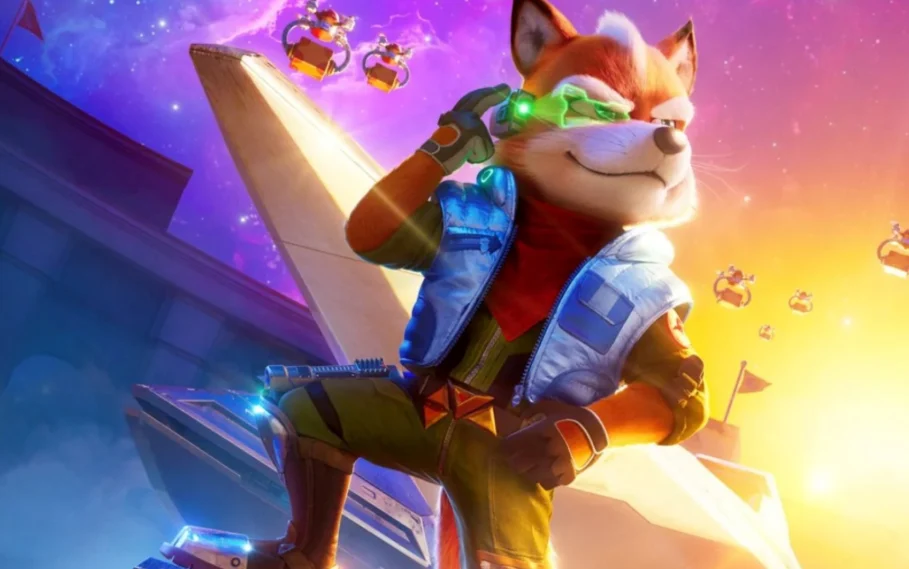
The potential return of Star Fox for the Switch 2 is about much more than just a trip down memory lane. It is a strategic move by Nintendo to solidify its next-gen library with a diverse range of genres. By combining the nostalgia of a 30-year-old franchise with the cutting-edge technology of a new console, Nintendo is positioned to reclaim the space-combat throne.
If the developers can successfully marry the series’ iconic identity with modern narrative depth and graphical power, the new Star Fox won’t just be a successful sequel—it will be a landmark title for the next generation of gaming.
Would you prefer a Star Fox that stays completely faithful to the classic arcade “on-rails” experience, or are you ready for a fully modern, open-world space exploration adventure? Let us know in the comments below!