
Meta Bets Big on Advanced Robotics
Strategic Acquisition Accelerates the Vision for Intelligent Humanoids
The landscape of humanoid robots has entered a dynamic new era, driven significantly by Meta‘s strategic acquisition of the AI robotics startup Assured Robot Intelligence. This major move underscores the tech giant’s overarching ambition to lead the development of highly capable, embodied artificial intelligence systems. These systems are designed to deeply understand, interpret, and physically interact with humans in real-world, everyday environments, pushing the boundaries of what modern robots can achieve in domestic, commercial, and industrial settings.
Meta’s Acquisition Accelerates Its Strategic Vision
The acquisition of Assured Robot Intelligence marks a pivotal, strategic step forward in Meta’s long-term artificial intelligence and hardware roadmap. The startup is widely recognized for developing cutting-edge AI models tailored specifically for robotics, with a strong emphasis on continuous learning, environmental adaptation, and spatial intelligence.
According to Meta’s research division, the technology pioneered by Assured Robot Intelligence stands at the absolute vanguard of embodied AI and robotic intelligence. This encompasses advanced frameworks capable of predicting human behaviors and intentions, allowing for seamless real-time reactions to highly dynamic environmental changes.
Furthermore, integrating this specialized team into Meta’s existing research and development pipeline significantly broadens the company’s research capabilities, positioning Meta at the forefront of the robotics race. Industry analysts note that this acquisition beautifully complements Meta’s existing breakthroughs in large language models (LLMs) and computer vision, creating a powerful synergy between digital intelligence and physical execution.
The Experts Driving the AI Revolution
As part of this acquisition, several high-profile experts and prominent researchers have joined the Meta team, bringing decades of combined experience in computer vision, machine learning, and robotic control. Among these notable additions are Xiaolong Wang and Lerrel Pinto.
Xiaolong Wang brings highly relevant industry and academic experience, having worked with top-tier tech institutions and companies like NVIDIA, where he contributed to cutting-edge computer vision and 3D perception projects. Lerrel Pinto, on the other hand, previously led Fauna Robotics before the company was absorbed into larger tech ecosystems, bringing extensive expertise in robot manipulation and autonomous navigation in unstructured environments.

This formidable combination of scientific and engineering talent clearly indicates that Meta is not just experimenting with robotics; it is assembling a world-class team designed to accelerate the development of the next generation of embodied artificial intelligence.
The Strategic Shift Toward Humanoid Robotics
The ultimate, overarching goal for Meta is the development of humanoid robots—highly sophisticated machines designed to mimic human movement, spatial awareness, and problem-solving capabilities.
These versatile robots have the potential to assist with a wide array of physical tasks, ranging from complex domestic chores and elderly care to highly repetitive or dangerous industrial operations. The core vision is to create cognitive architectures capable of learning continuously from human demonstrations and adapting dynamically to novel scenarios without needing explicit programming for every specific task.
To achieve this, the company is investing heavily in both hardware and software, integrating state-of-the-art sensors, advanced motor controls, and sophisticated neural networks. By blending generative AI with advanced robotic hardware, Meta aims to bridge the gap between virtual intelligence and physical interaction, creating machines that feel natural and intuitive to work alongside.
Competing in the Expanding Robotics Landscape
Meta is by no means operating in a vacuum or leading this space completely uncontested. Several other major players, including Tesla, Google (Alphabet), and Amazon, are committing substantial resources to the development of humanoid robots. Tesla has been actively advancing its Optimus project, leveraging its vast automotive manufacturing scale to lower production costs, while other players such as Figure AI (heavily backed by Microsoft, NVIDIA, and OpenAI) are pushing the boundaries of humanoid intelligence and mobility.
Furthermore, Boston Dynamics continues to iterate on its electric Atlas robot, representing a formidable competitor in the field of advanced robotics and physical agility. The recent convergence between AI developers and hardware manufacturers has supercharged innovation in this space.
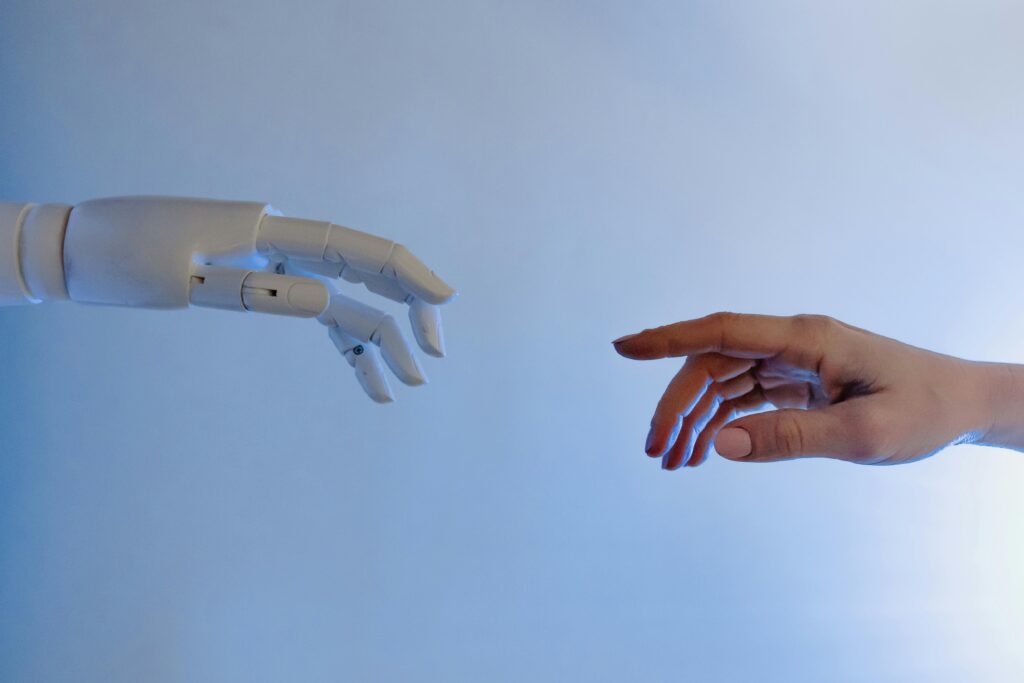
This intense competition signifies that the humanoid robotics sector is rapidly emerging as the next major technological frontier, akin to the rise of the smartphone industry or the current explosion of generative AI models. However, Meta’s approach differs slightly from its peers: rather than building an isolated hardware ecosystem, Meta aims to build a flexible, open-source-friendly technological backbone that can be utilized by multiple hardware manufacturers worldwide. This strategy is comparable to Android’s foundational role in the mobile industry, prioritizing software reach over hardware exclusivity.
Key Transformations Resulting from the Acquisition
Accelerated Advancements in AI for Robotics: The integration of advanced embodied AI models into existing research frameworks.
Refined Humanoid Systems: Development of more intelligent, adaptable, and context-aware humanoid robots for everyday use.
Top-Tier Talent Acquisition: Welcoming highly specialized researchers from institutions like NVIDIA and Fauna Robotics.
Expanded Technological Ecosystem: Merging Meta’s digital AI prowess (such as Llama) with physical hardware controls.
Intensified Industry Competition: Challenging established industry leaders such as Tesla, Boston Dynamics, and Figure AI.
The acquisition of Assured Robot Intelligence is a definitive signal that Meta is taking the field of humanoid robotics exceptionally seriously. Backed by heavy investments and top-tier scientific talent, the company positions itself as a key protagonist in an impending technological revolution. This shift promises to fundamentally redefine how humans and intelligent machines interact, opening new possibilities for productivity, automation, and daily assistance across global markets.
Would you trust humanoid robots to help you with your daily tasks and chores?