Fitbit Air Bets Big on AI: Google’s New Strategic Move in Digital Health
The new smart band integrates deep AI features to redefine personalized wellness tracking
The Fitbit Air has officially hit the market as one of Google’s most calculated moves to solidify its footprint in the digital health and wearables sector. This smart band is not just a fitness tracker; it is a sophisticated hybrid that combines advanced biometric sensors, cutting-edge artificial intelligence, and seamless integration with the Google Health Coach ecosystem.
This launch signals Google’s intent to transform raw health data into intelligent, personalized, and continuous experiences. By leveraging AI to interpret metrics rather than just recording them, the Fitbit Air aims to disrupt the wearable segment and offer a more holistic approach to daily well-being.
What is Fitbit Air? The Next Generation of Wellness
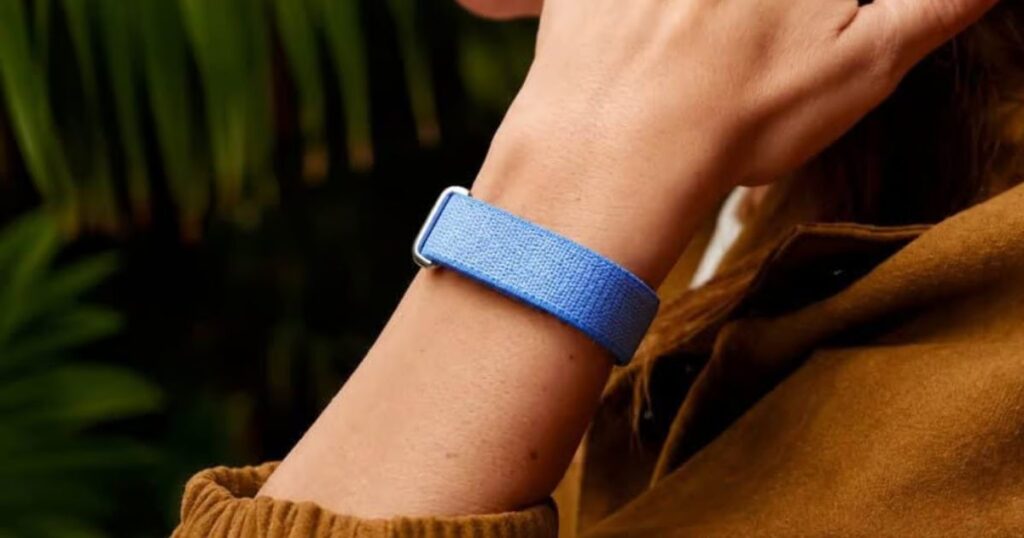
The Fitbit Air is an ultra-slim smart band engineered for the continuous monitoring of health and physical activities. Designed with a focus on ergonomics and battery efficiency, the device houses advanced sensors capable of tracking various bodily indicators in real-time.
Beyond the standard step counting, the device provides deep insights into cardiac health, sleep architecture, activity levels, blood oxygenation (SpO2), and stress management. Its primary innovation lies in its “Air” philosophy—lightweight hardware backed by heavy-duty cloud AI that provides detailed analyses customized for each individual user.
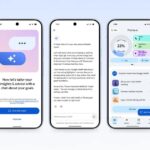
The true power of the Fitbit Air resides in its direct connection to the Google Health Coach system. This AI-driven platform utilizes the high-fidelity data captured by the band to offer bespoke recommendations tailored to the user’s current physical state.
Unlike traditional apps that provide static goals, this integration allows the AI to:
Interpret Patterns: Understand how your stress levels during work hours affect your sleep quality at night.
Suggest Habit Changes: Provide real-time nudges to adjust hydration or activity based on immediate biological feedback.
Act as a Personal Assistant: Move the wearable experience closer to having a 24/7 health consultant on your wrist.
Advanced Monitoring Beyond the Gym
The modern wearable is evolving past the “fitness tracker” label. The Fitbit Air represents this shift toward a comprehensive view of the human body and daily routine. By monitoring metrics 24/7, the device offers a “Readiness Score” that factors in physical strain and recovery, helping users decide when to push harder and when to rest.
Key Features of the Fitbit Air:
Continuous Heart Rate Monitoring: High-frequency tracking for resting and active heart rates.
Advanced Sleep Insights: AI-driven analysis of REM, deep, and light sleep stages.
Real-time Stress Management: Electrodermal activity sensors to track physiological responses to stress.
Blood Oxygen (SpO2) Tracking: Essential for respiratory health monitoring.
Google AI Integration: Deep sync with Google Health Coach for personalized advice.
Interactive Health Suggestions: Dynamic prompts based on current biological data.
Multi-Sport Tracking: Automatic recognition of various physical exercises.
How AI is Changing the Wearable Experience
Artificial Intelligence is the new “gold standard” in the wearable industry. In 2026, the value of a device is no longer measured by the number of sensors it has, but by how intelligently it interprets that data.
With the Fitbit Air, AI analyzes behavior trends over weeks and months to create a “baseline.” When your body deviates from this baseline—perhaps due to oncoming illness or overtraining—the AI provides early warnings. This transforms the smart band from a passive accessory into an active, intelligent wellness system.
Google vs. The Tech Giants: A Growing Competition
The release of the Fitbit Air reinforces Google’s strategy to compete head-to-head with market leaders like Apple and Samsung. As consumer interest in preventative health and digital monitoring reaches an all-time high, having a robust ecosystem is vital.
By combining Google’s world-class AI with Fitbit’s legacy in fitness tracking, the company is attempting to create the most complete and intelligent health ecosystem available to the general public.
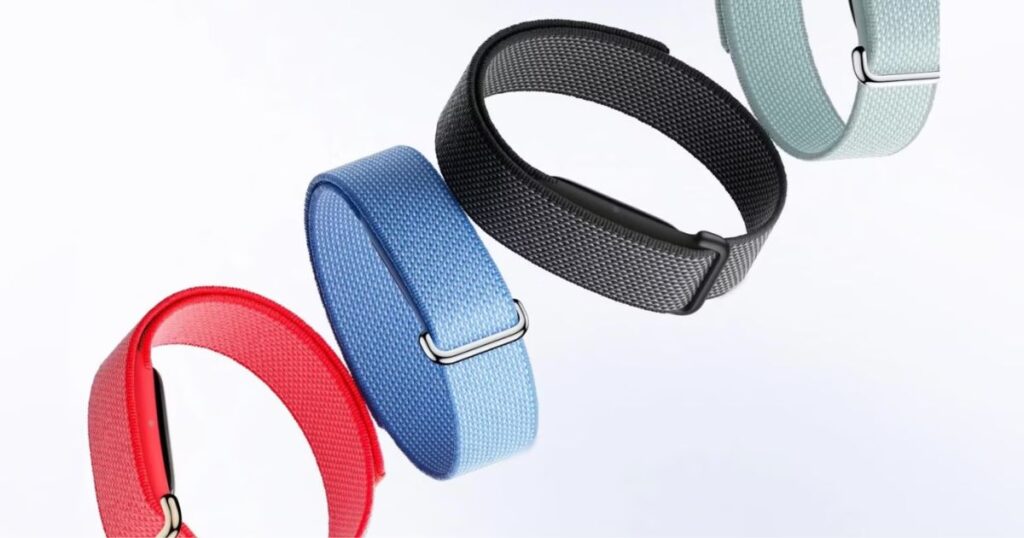
Sweatproof. Breathable. Moisture-wicking. We call that a triple threat.
— Google Health (@googlehealth) May 8, 2026
Pre-order your @stephencurry30 Google #FitbitAir Special Edition https://t.co/NIyMjMrrtb pic.twitter.com/ENn4rXOhZ3
The Central Debate: Privacy and Bio-Data Security
As wearables become more invasive—in a helpful sense—the discussion around data privacy becomes more urgent. The Fitbit Air collects extremely sensitive biological information, ranging from heart rhythms to sleep patterns.
Experts emphasize that transparency is non-negotiable. Google must ensure that this “Health Hub” is protected by military-grade encryption and that users have absolute control over who sees their data. Maintaining consumer trust is just as important as the accuracy of the sensors themselves.
Main Concerns Regarding Health Wearables:
Biometric Data Privacy: How secure is your heart rate and sleep data?
Information Sharing: Who has access to your health trends?
Cybersecurity: Protection against data breaches or unauthorized access.
AI Dependency: The risk of over-relying on automated health advice.
Diagnostic Accuracy: Ensuring users don’t replace professional medical advice with AI suggestions.

The Future of Connected Health Devices
The Fitbit Air is a window into a future where our health is monitored continuously, invisibly, and automatically. Analysts predict that wearables will soon offer sophisticated preventative features, such as early detection of chronic conditions through minor variations in biometric baselines.
The synergy between body sensors and AI is set to completely revolutionize how humans interact with their own health on a day-to-day basis.
The Fitbit Air is a definitive statement of intent from Google. By prioritizing artificial intelligence and personalized data analysis over simple metric recording, it moves beyond the traditional fitness band. If Google can successfully navigate the complexities of data privacy while delivering on the promise of an AI “coach,” the Fitbit Air could become the gold standard for the next generation of connected wellness devices.
Would you feel comfortable wearing a smart band that constantly monitors your health and uses AI to suggest lifestyle changes in real-time?