Google Translate AI Now Fixes Your Pronunciation in Real-Time
New AI-powered feature eliminates language barriers by correcting your speech as you talk
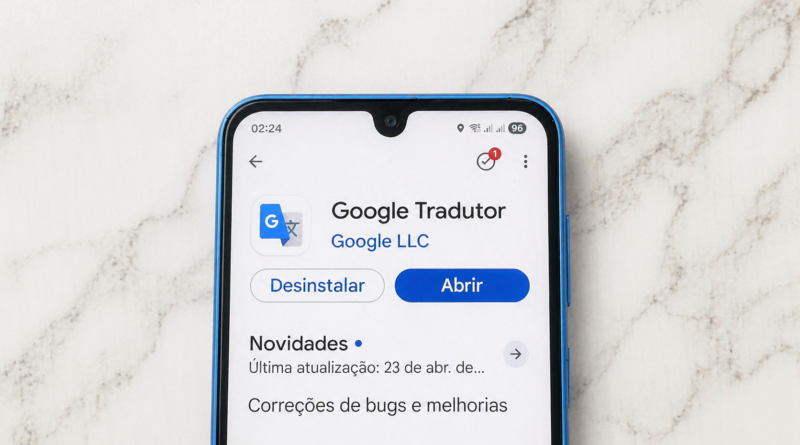
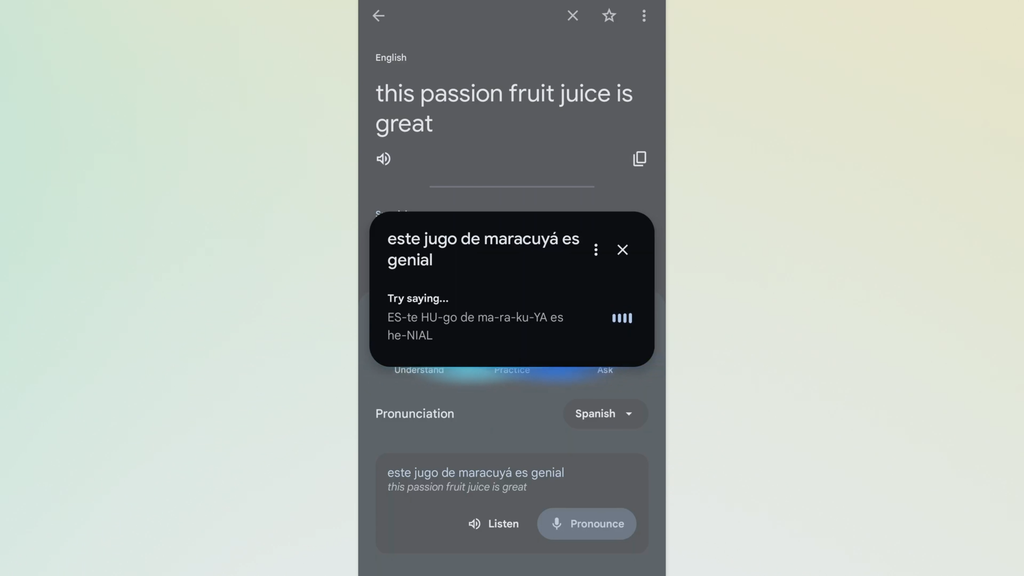
Google Translate has just taken a massive leap forward with the introduction of a real-time pronunciation corrector driven by artificial intelligence. This new feature aims to eliminate the struggle of mispronunciation by providing instant feedback while the user speaks.
This update reinforces Google’s commitment to making global communication more precise, especially for language learners, travelers, and international business professionals who need clear communication on the go.
How the AI Pronunciation Corrector Works
The new functionality uses advanced generative AI to analyze user pronunciation in real-time. As you speak, the system compares your audio with native patterns of the chosen language and identifies potential errors instantly.
When the app detects a mistake, it suggests immediate corrections—whether adjusting specific sounds, intonation, or sentence flow. This happens seamlessly without interrupting the conversation, making the experience feel natural.
In practice, users aren’t just translating words; they are learning to speak correctly while using the app. It’s a clear evolution from the traditional model that only provided written translations or pre-recorded audio samples.
Why This Update is a Game Changer
Pronunciation is often the biggest barrier when learning a new language. Even those with a strong grasp of grammar can struggle with oral communication.
With this update, Google Translate acts almost like a private tutor, correcting errors the moment they happen. This reduces learning time and significantly boosts user confidence. Furthermore, this feature has a direct impact on industries like tourism, customer service, and international trade, where clear communication is vital.
The Impact of AI on Language Learning
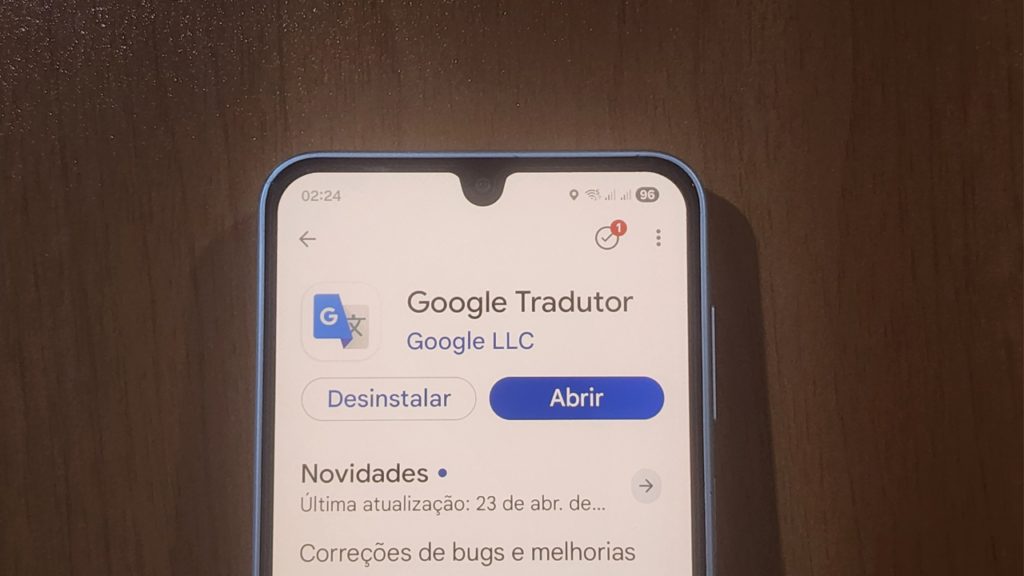
While AI in education isn’t new, this implementation raises the bar for interactivity. Tools that were once passive are now active participants in the learning process.
Tech giants are investing heavily in this sector to transform apps into immersive experiences. The key differentiator here is real-time correction, something previously only possible with human instructors. This also democratizes access to education, allowing more people to develop linguistic skills without high costs.
Key Benefits of the New Feature
Instant Feedback: Real-time pronunciation corrections.
Continuous Learning: Improve your skills while using the app.
Increased Confidence: Speak a foreign language with less fear of mistakes.
Interactive Experience: A more engaging way to communicate.
Error Reduction: Minimizes common communication breakdowns.
Accessibility is another crucial factor. People who struggle to hear subtle pronunciation nuances now have clear, immediate feedback, making their progress much easier to track.
Challenges and Technical Limitations
Despite these advancements, the technology still faces hurdles. Accuracy can vary depending on the language, specific accents, and the quality of the microphone input.
Additionally, cultural and regional nuances aren’t always fully understood by AI, which can lead to corrections that feel overly “standardized.” There is also a continued reliance on internet connectivity and cloud processing, which may limit use in remote areas.
The Future of AI-Powered Communication
The evolution of Google Translate points toward a future where language barriers are virtually non-existent. We are moving toward a single system that integrates translation, education, and communication. Soon, we may see assistants capable of translating and correcting entire conversations with human-like naturalness.
CONCLUSION Google Translate’s new real-time pronunciation corrector marks a major milestone in how we use and learn languages. By turning mistakes into immediate learning opportunities, the tool evolves from a simple translator into a true global communication assistant.
Would you trust Google Translate to be your personal pronunciation coach? Let us know in the comments!